
After Your Surgery: What to Expect and How to Care for Yourself
Every patient’s recovery is unique, and you will receive specific advice and a tailored rehabilitation plan based on the type of surgery you’ve had. The key is to listen to your body, pace yourself, and use common sense. If you are ever unsure, please contact Mr Kirzner and his team promptly.
Wound Care
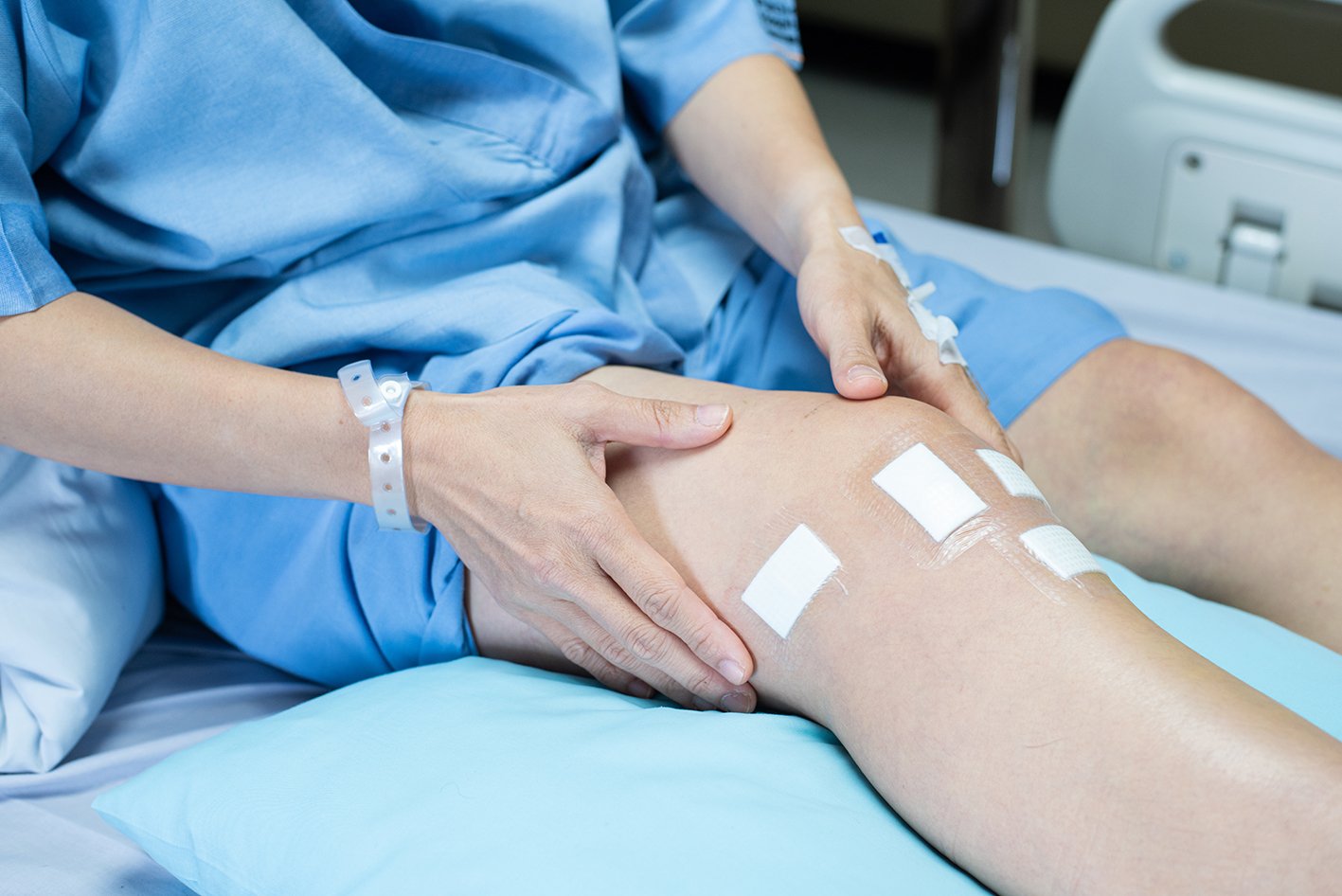
Dressings: Leave your waterproof dressings in place for the first 2 weeks. Keep them as clean and dry as possible. If a change is needed, purchase a sterile waterproof dressing (Op-site or similar) from your local pharmacy.
Sutures: Most sutures are dissolvable and do not need removal.
Bathing/swimming: Avoid bathing or swimming for the first 4 weeks. Quick showers are fine if your dressings stay sealed.
Elevation: When resting, elevate the operated limb above heart level. This reduces swelling, which in turn reduces pain. Think: less swelling = less pain.
Pain Management
Analgesia (pain relief): Take your medications regularly to stay ahead of the pain. Some discomfort is expected, especially in the first 1–2 weeks, but it should gradually improve.
Flare-ups: Temporary spikes in pain are normal. When this happens:
Rest
Apply ice
Elevate the leg
If pain hasn’t eased after 10–20 minutes, take your prescribed breakthrough (stronger) pain relief.
Mobilisation and Exercise
Early mobilisation: Start moving early, but don’t overdo it. In the first 1–2 weeks, aim to walk to the bathroom and back every hour while awake.
Gentle activity: Small steps matter—do light walking inside your home and perform ankle pumps every hour to aid circulation.
Range of motion:
If you had knee surgery, focus on gently straightening and bending the knee (within comfort).
Gradual increases in mobility and movement across the weeks are expected.
Preventing Blood Clots (VTE Prevention)
Blood clots are a known risk after any surgery. To reduce this risk:
Take your prescribed blood-thinning medication: (this may be aspirin, apixaban, or an injection such as clexane).
Keep moving: regular, gentle walking and ankle movements every hour while awake help to keep circulation flowing.
Ice and Cryotherapy
Icing routine: Apply ice or use a cryotherapy device for 15–20 minutes every hour while awake for the first couple of weeks.
Devices vs frozen peas: Specialised cryotherapy systems (such as the RE3 brace) give better results than makeshift methods—they combine cold therapy with compression, controlling both pain and swelling more effectively.
When to Call Us
Please contact us immediately if you develop:
A sudden increase in swelling, redness or warmth around the surgical site.
A temperature greater than 38 degrees for 12 hours or more that isn't relieved with paracetamol.
Excessive drainage from the wound dressings that hasn't stopped 72 hours after surgery.
New onset calf pain with associated swelling that isn't relieved with rest, ice and elevation.
Sudden onset sharp chest pain and shortness of breath.
Loss of mobility after a fall.
Otherwise, don’t hesitate to call or email with any concerns at all. Early communication stops small problems becoming big ones.