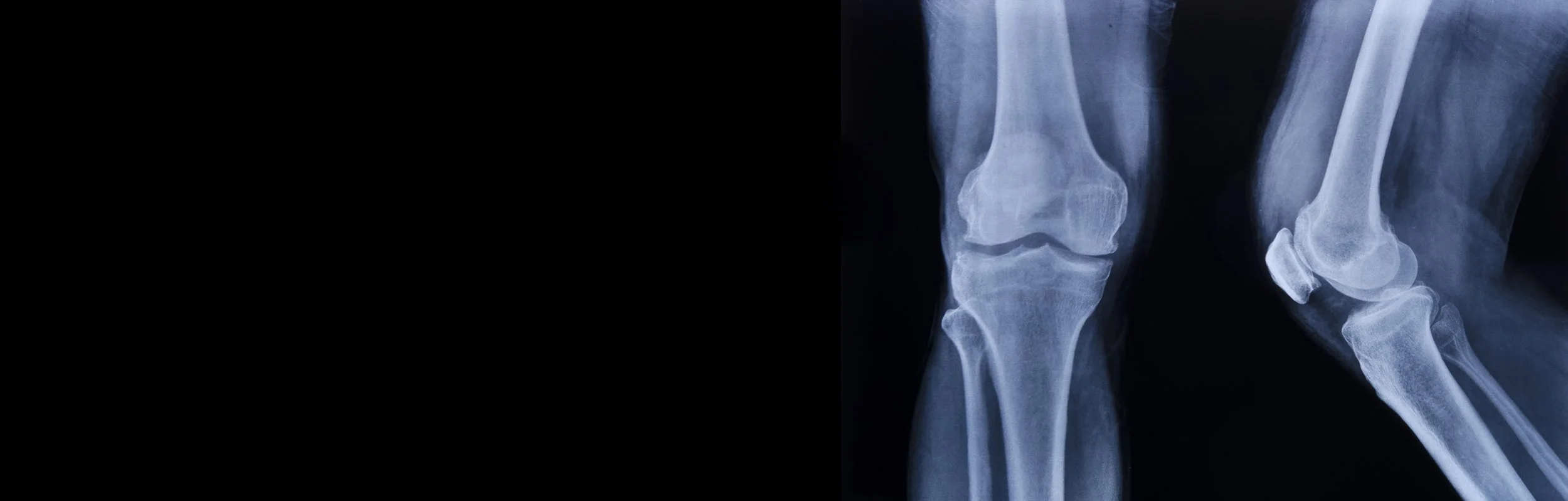
Knee Arthritis
What is Arthritis?
Arthritis is one of the most common joint problems worldwide and a frequent cause of knee pain. It occurs when the smooth, protective cartilage that lines the ends of your bones begins to wear away. This cartilage normally acts like a cushion and shock absorber, allowing your knees to bend, straighten, and move smoothly without discomfort.
When cartilage becomes thin, rough, or worn down, the bones in the joint start to rub directly against each other. This friction leads to pain, swelling, stiffness, and reduced mobility. For many people, this can make everyday activities—such as walking, climbing stairs, or even sleeping—more difficult and less enjoyable.
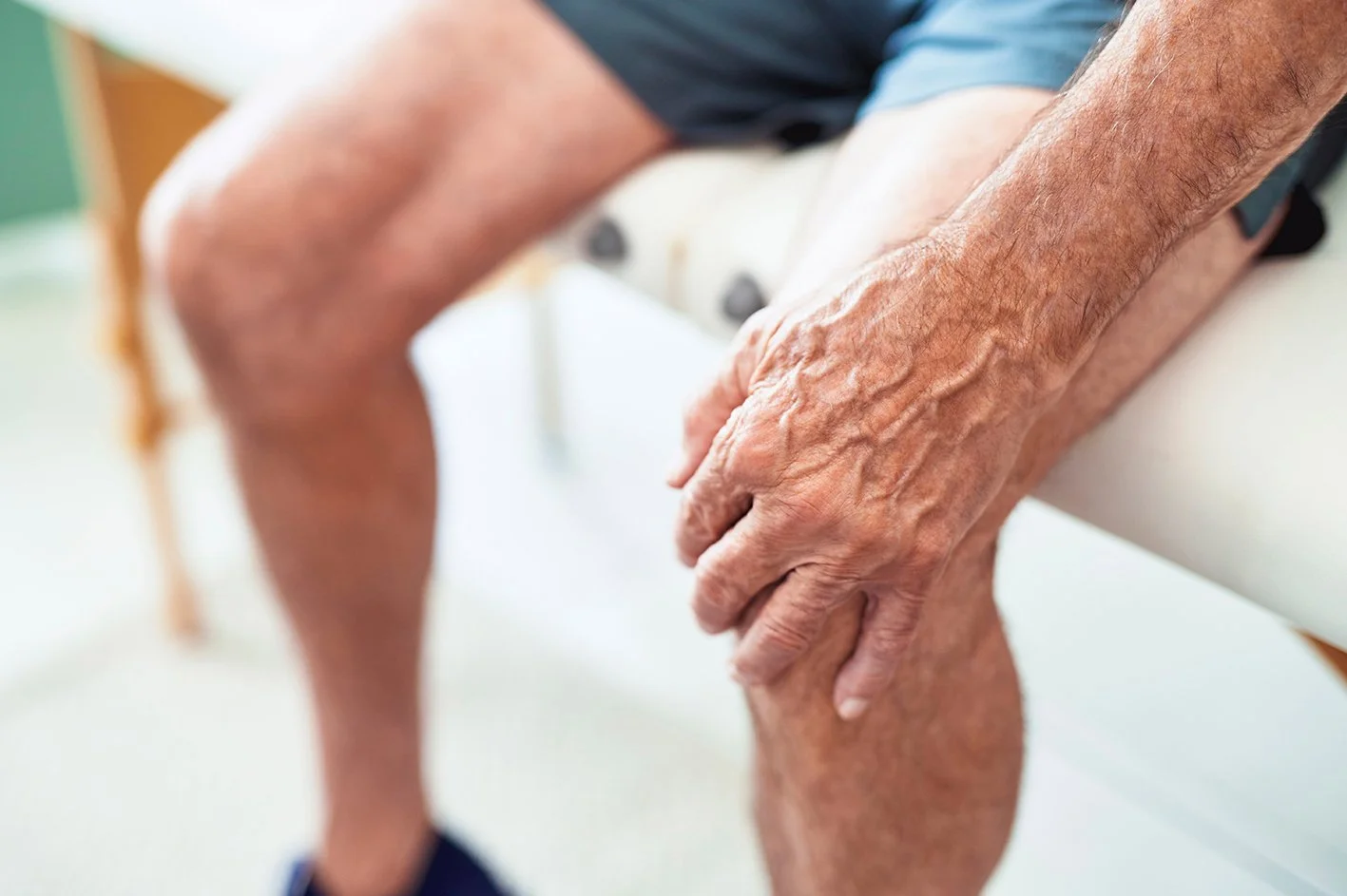
Types of Arthritis Affecting the Knee
Several different types of arthritis can affect the knee joint, including:
Osteoarthritis – The most common form, caused by gradual wear and tear over time. This is usually related to aging but can occur earlier in life if the joint experiences extra stress or injury.
Rheumatoid arthritis – An autoimmune disease where the body’s immune system mistakenly attacks the lining of the joint, causing inflammation, damage, and eventual breakdown of cartilage and bone.
Post-traumatic arthritis – Can develop years after a knee injury, such as a fracture, ligament tear, or meniscus damage. Even when an injury heals, it may alter how the knee joint functions and lead to arthritis later on.
Crystal-related arthritis (Gout or Pseudogout) – Caused by crystals that form inside the joint. In gout, uric acid crystals deposit in the joint, while in pseudogout, calcium crystals accumulate. Both result in swelling, pain, and inflammation of the knee.
What Causes Osteoarthritis?
Osteoarthritis doesn’t have one single cause, but several factors may increase the risk:
Aging – Cartilage loses its ability to heal and repair itself as we grow older, which increases the likelihood of breakdown. Osteoarthritis is especially common after the age of 50.
Previous injuries and overuse – Injuries to the knee, even those sustained decades earlier, can speed up the development of arthritis. Repetitive stress from sport, exercise, or physical work also increases risk.
Genetics – Family history can make some people more prone to developing arthritis earlier in life.
Excess weight – Carrying extra body weight puts additional strain on the knee with every step, accelerating cartilage damage.
Knee alignment – Having knock-knees or bowlegs alters the way weight passes through the knee, creating uneven wear on the cartilage.
Symptoms of Knee Arthritis
Knee arthritis can present in many ways, and symptoms often worsen over time. Common signs include:
Ongoing knee pain, which may flare after activity or rest
Difficulty walking longer distances, with pain sometimes severe enough to disturb sleep
Stiffness, particularly first thing in the morning or after sitting still
Swelling or a feeling of warmth in the knee joint
Loss of flexibility, making it harder to fully straighten or bend the knee
Grinding, clicking, or popping sensations during movement
Visible changes in leg alignment over time, where the knee may begin to angle inward (knock-knee) or outward (bowleg)
Treatment Options for Osteoarthritis
The best treatment approach depends on the severity of your condition, your activity level, and your personal goals. We always start with non-surgical options before considering surgery.
Non-surgical treatments may include:
Managing weight to take stress off the knee joint
Low-impact exercise programs such as walking, swimming, or cycling to keep your joints moving and strengthen supporting muscles
Physiotherapy with exercises tailored to improve strength, balance, and flexibility
Simple measures such as ice or heat for symptom relief
Medications including pain relievers or anti-inflammatories
Braces, insoles, or walking aids to help improve function and alignment
Injections, such as cortisone, to reduce inflammation and ease pain
If these measures no longer provide relief, surgery may be the next step.
Surgical treatments include:
Arthroscopy (keyhole surgery): May be used in selected cases to smooth damaged cartilage or remove loose fragments within the knee.
Osteotomy: Reshaping the bone to improve alignment, shifting body weight away from the damaged part of the knee.
Partial knee replacement: Replacing only the affected section of the knee joint while keeping healthy areas intact.
Total knee replacement: A highly effective operation where the entire knee joint surface is replaced with smooth, artificial components designed to restore function and relieve pain.
When to see a specialist
It may be time to see Mr. Kirzner if:
Knee pain is persistent and limiting your daily activities
Sleep is being affected by pain or stiffness
You notice swelling that does not settle with rest or medication
You are finding it harder to move and straighten your knee
Conservative treatments are no longer working
A consultation with Mr. Kirzner will allow for a detailed assessment of your knee, including examination and imaging if needed. Together, you can discuss the most suitable treatment options and create a plan tailored specifically to your lifestyle and needs. The goal is always to reduce pain, keep you active, and help you get back to enjoying the things you love.