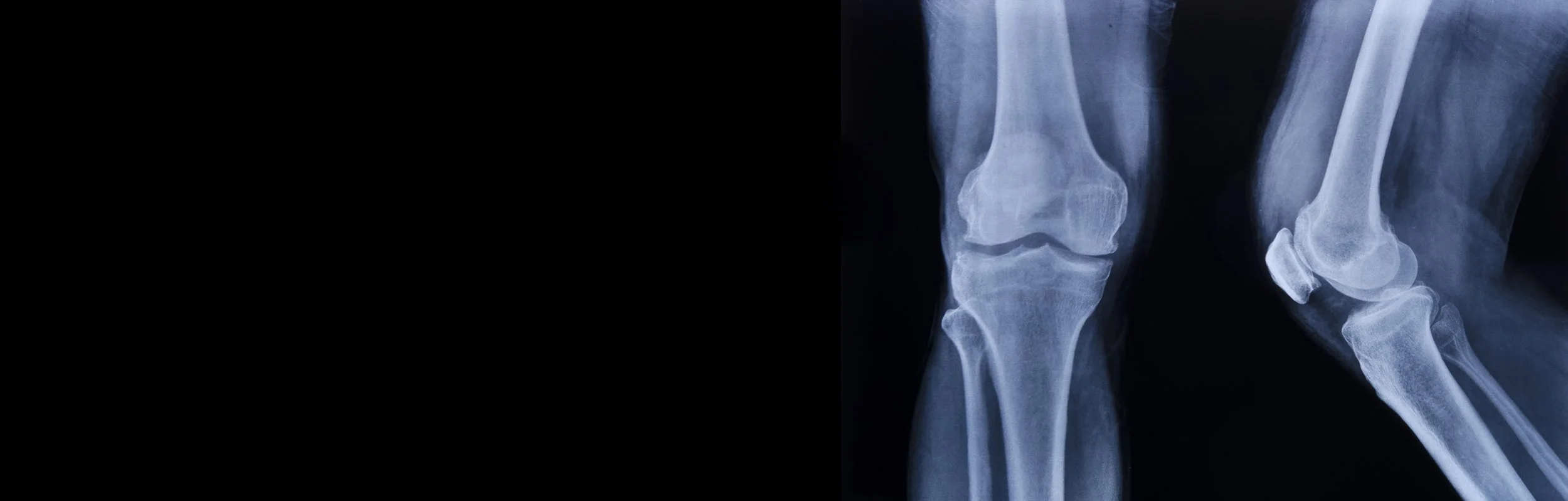
ACL Reconstruction
ACL reconstruction is not just about surgery - it’s about a full journey back to stability and sport.
With modern surgical techniques, careful graft selection, structured physiotherapy, and risk-reduction strategies such as LEAP, most patients return to the activities they love, stronger and more confident than before.
What is the ACL & why does it matter?
The anterior cruciate ligament (ACL) is one of the most important stabilising ligaments of the knee. It prevents the shin bone (tibia) from sliding too far forward and provides critical control during twisting, pivoting, or sudden stopping movements.
When the ACL is torn, the knee often feels unstable or “gives way.” Without a functioning ACL, high-demand activities like football, netball, skiing, or soccer become very difficult. In addition, ongoing instability increases the long-term risk of damage to the meniscus and joint cartilage, which can lead to early arthritis.
ACL reconstruction surgery replaces the torn ligament with a graft, restoring the knee’s stability, helping you return to an active lifestyle, and protecting the joint from further injury.

Who needs ACL Reconstruction?
ACL reconstruction is usually recommended for people who experience:
Instability during sport or daily activities with cutting, pivoting, or sudden stops
Recurrent “giving way” episodes of the knee
A desire to return to high-level sport or physically demanding work
Associated knee injuries such as meniscus tears or cartilage damage
Younger or more active patients, where persistent instability risks further joint injury
Not every ACL tear requires surgery, but for those wanting to return to pivoting or contact sports—or for those struggling with daily instability—surgery is often the best option.
What happens in ACL Reconstruction?
ACL reconstruction is performed through keyhole (arthroscopic) surgery, using small incisions and a surgical camera.
1. Preparation
The torn ACL remnant is removed.
Other knee structures such as the meniscus and cartilage are carefully assessed and treated if needed.
2. Graft selection
The new ligament is created from a graft. This can come from:
The hamstring tendons (most common)
The patellar tendon
The quadriceps tendon
A donor (allograft) in selected cases
The right graft depends on your sporting goals, age, and activity level, and will be discussed in detail before surgery with Mr. Kirzner.
3. Tunnel creation & graft placement
Precise bone tunnels are drilled into the femur and tibia.
Placement is critical: if tunnels are positioned incorrectly, the graft may stretch or fail.
The graft is pulled through the tunnels and secured with screws or fixation buttons.
4. Graft incorporation
Over the next 9–12 months, the graft biologically heals into the bone and functions as a new ligament, restoring stability.
Follow-Up & Recovery Timeline
2 weeks: Wound review and dressing removal. By this stage, walking should be more comfortable with minimal aids.
6 weeks: Should be walking normally without crutches, straightening fully and bending beyond 90 degrees.
3 months: Running in a straight line is usually possible. Gentle agility drills begin, avoiding pivoting or sudden direction changes.
6–9 months: Controlled sport-specific training, including cutting and pivoting drills.
12 months: With stable progress and successful rehab, a return to full contact sport is often possible.
ACL reconstruction requires a structured rehabilitation program, often guided by physiotherapists, which is just as important as the surgery itself.
Special Procedures: Lateral Extra-Articular Procedure (LEAP)
In higher-risk patients, Mr Kirzner may combine your ACL reconstruction with a LEAP.
Indications include: young athletes, patients with hyperextension, revision ACL surgery, or knees with significant rotational instability.
It involves taking a strip of the iliotibial band (ITB), re-routing it beneath the lateral collateral ligament and securely re-attaching it to reinforce rotational stability.
This procedure reduces the risk of re-rupture and enhances long-term stability.
Risks of ACL Surgery:
Blood clots: in the leg veins, which can travel to the lungs (pulmonary embolism). This risk can be reduced by early movement, blood thinners, and compression devices.
Infection: which is minimized by sterile surgical techniques and antibiotics. If you are concerned about an infection, please call the rooms and do not start antibiotics until speaking with Mr. Kirzner.
Graft failure or stretching: The new ligament may not heal, stretch out, or break again, especially if reinjury occurs. This is most common within the first year and may happen despite adequate reconstruction and rehabilitation. If this occurs, revision options will be discussed.
Knee stiffness or loss of motion: Scar tissue or underuse can decrease range of motion. This can often be managed with medication and physiotherapy. Occasionally this may require further surgery for manipulation or arthroscopic release
Nerve or vessel injury: Rare, but the small incisions or graft harvesting can impact surrounding structures.
Long-term joint pain or osteoarthritis: even after successful ACL reconstruction, some patients develop arthritis in the knee due to the cartilage damage that occurs at the time of injury.
Causes of ACL Tears
ACL injuries usually occur in high-demand movements such as:
Sudden stops or direction changes
Twisting or pivoting on a fixed foot
Awkward landings from a jump
Direct contact sports injuries
They are common in sports like football, soccer, netball, basketball, and skiing. Risk is higher with poor neuromuscular control, weak core or hip muscles, or a prior ACL injury.
Prevention of ACL Tear
The risk of ACL injuries—both first-time and re-tear—can be significantly lowered by targeted prevention programs, including:
Strengthening: Quadriceps, hamstrings, hips, and core
Neuromuscular training: For balance, agility, and reaction time
Plyometric training: Teaching correct safe techniques for landing, pivoting, and cutting
Warm-up & mobility: Reduces stiffness and prepares muscles and ligaments
Sports-specific programs: Proven protocols (like FIFA 11+ for footballers) reduce ACL injury risk
Associated Meniscus Repair
The meniscus acts as a “shock absorber” inside the knee. During ACL reconstruction, if a meniscus tear is found it may be repaired rather than trimmed. Repair has a higher healing rate in combination with ACL reconstruction because of the increased blood flow and growth factors.
Protecting the meniscus improves knee longevity and reduces arthritis risk.
If a repair is performed, rehabilitation is slightly slower initially to protect the healing meniscus.
Returning to Sport After ACL Reconstruction
6 months: Most patients resume non-contact sports (cycling, swimming, jogging)
9–12 months: Pivoting and contact sports once strength and stability testing is passed
Beyond 12 months: Continued neuromuscular and agility training reduces reinjury risk
Successful return to play requires not just healing, but also confidence, strength symmetry, and sport-specific retraining.